AGP Executive Report
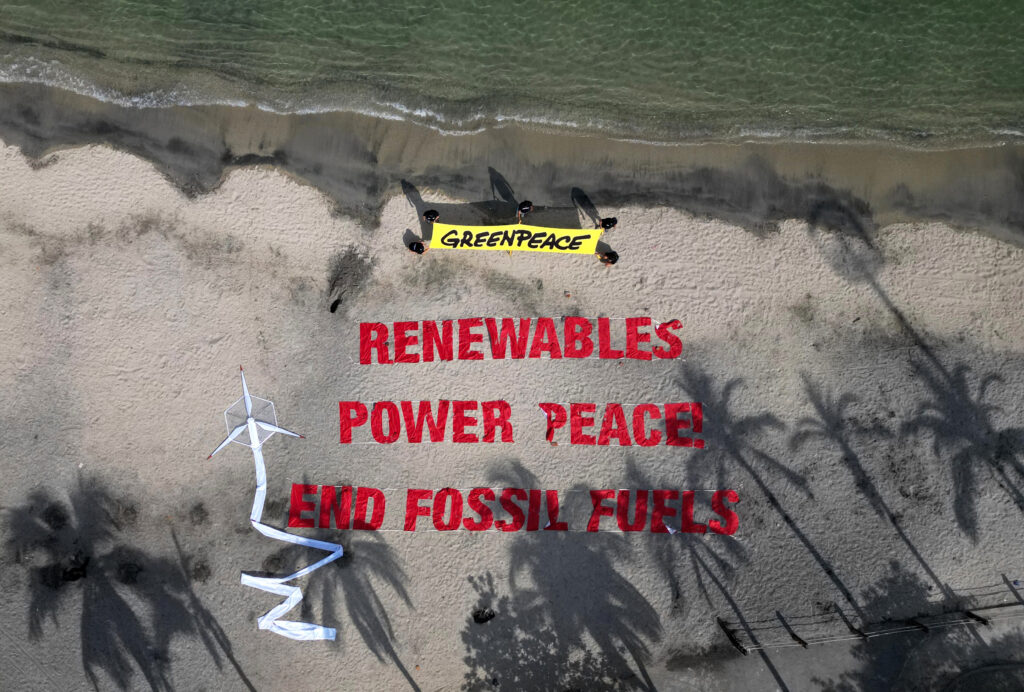
Last update: 10 hours agoFossil Fuel Shift: Nearly 60 countries and the EU joined a new process to move away from fossil fuels, offering another route to climate action ahead of COP31. Sea-Level Threat: A Commonwealth report says seas around Tuvalu are rising about 5mm a year. The entire population lives within one kilometre of the ocean, while gaps in adaptation leave coastal communities exposed. Fisheries: Three Tuvalu Fisheries Authority officers are training in Fiji on seafood safety and export standards, supporting the country’s bid to access the EU market. Pacific Resilience: ADB’s 2026–2030 strategy includes Tuvalu and promises more flexible support for climate resilience, infrastructure and essential services. Funafuti Reef: A 120-year study found the reef flat remained remarkably stable despite rising seas and storms; coral rubble helped raise the island ridge by about 1.4 metres, though researchers say this does not guarantee future protection.
Note: AI summary from news headlines; neutral sources weighted more to help reduce bias in the result. Feedback is welcome. Please let us know if you have any comments or suggestions about the AGP Executive Report.

 Perspectify News